As we continue to push the boundaries of technology, we’re witnessing a revolution in the way we interact with information and each other. Spatial computing, a revolutionary technology that combines augmented reality (AR), virtual reality (VR), and mixed reality (MR), is transforming industries like architecture, product design, and education. With the ability to create immersive, interactive, and data-driven experiences, spatial computing is unlocking new possibilities for businesses and individuals alike.
Interactive Storytelling in Architecture
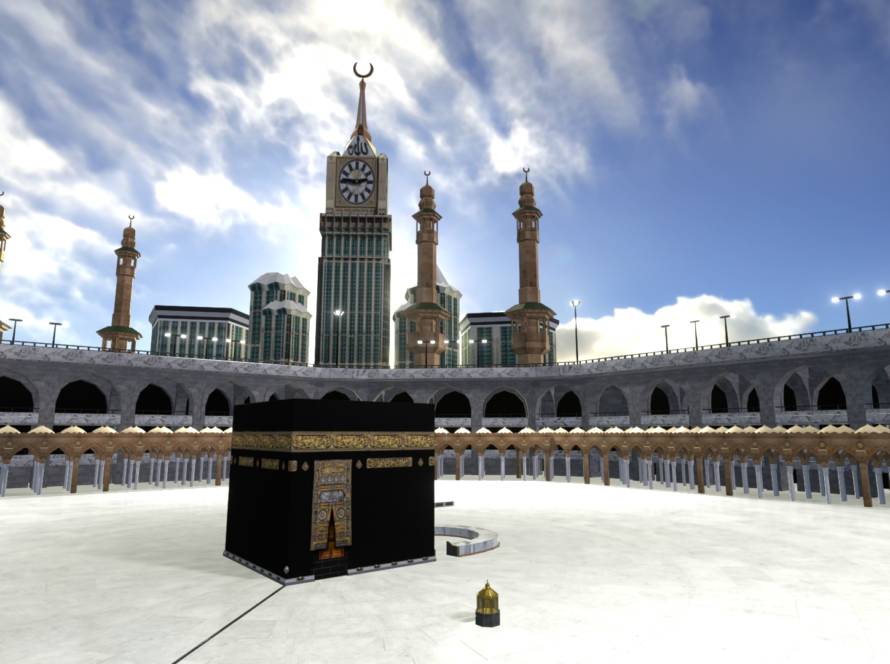
Imagine walking through a virtual model of a building, exploring its design, and interacting with its features. This is not science fiction; it’s a reality made possible by spatial computing. Architects and builders can now use VR and AR to create immersive experiences for clients, allowing them to visualize and engage with a project in a way that was previously impossible. This technology is not only enhancing the design process but also streamlining communication between stakeholders.
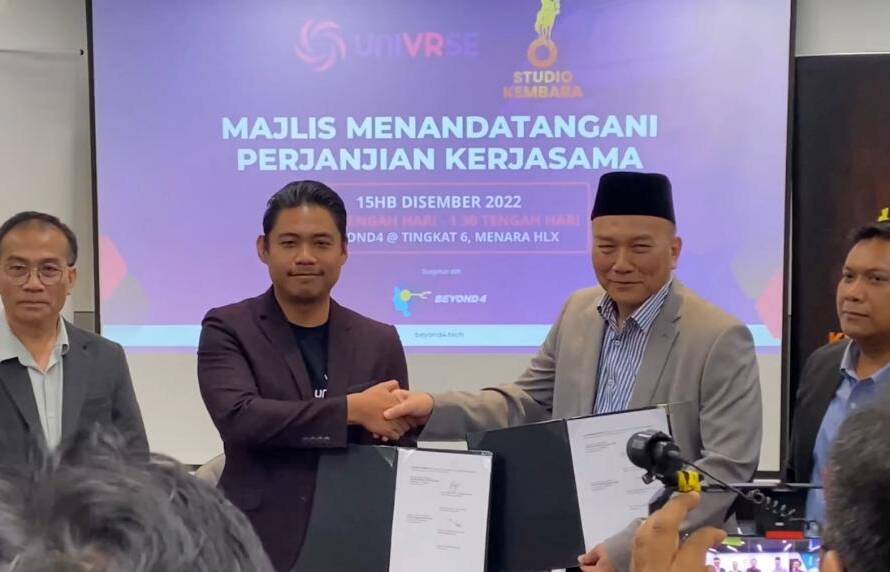
At UniVRse.io, our team is working with architects to develop innovative solutions that leverage spatial computing. By harnessing the power of VR and AR, we’re enabling architects to create interactive, 3D models that allow clients to explore and engage with a project in a more immersive and meaningful way. This not only enhances the design process but also builds trust and reduces misunderstandings between architects, builders, and clients.
“Spatial computing is revolutionizing the way we design and interact with buildings. It’s not just about creating pretty visualizations; it’s about creating immersive experiences that bring people together and foster collaboration.” – [Your Name]
Product Design and Prototyping
Product design and prototyping are also being transformed by spatial computing. Designers and engineers can now use VR and AR to create interactive, 3D models of products, allowing users to explore and engage with them in a more immersive and intuitive way. This technology is not only reducing the need for physical prototypes but also enhancing the design process by allowing designers to test and refine their ideas in a more immersive and interactive way.
At UniVRse.io, we’re working with product designers to develop innovative solutions that leverage spatial computing. By harnessing the power of VR and AR, we’re enabling designers to create interactive, 3D models that allow users to explore and engage with a product in a more immersive and meaningful way. This not only enhances the design process but also reduces the need for physical prototypes and accelerates the development cycle.
Education and Training
Spatial computing is also being used in education and training to create immersive, interactive, and data-driven experiences. Students can now use VR and AR to explore complex concepts and interact with virtual environments in a more immersive and engaging way. This technology is not only enhancing the learning process but also increasing student engagement and motivation.
At UniVRse.io, we’re working with educators to develop innovative solutions that leverage spatial computing. By harnessing the power of VR and AR, we’re enabling educators to create immersive, interactive, and data-driven experiences that engage students and promote deeper learning. This not only enhances the learning process but also prepares students for the challenges of the 21st century.
The Future of Spatial Computing
As spatial computing continues to evolve, we’re seeing new applications and use cases emerge. From healthcare and medicine to real estate and retail, this technology is unlocking new possibilities for businesses and individuals alike. With the ability to create immersive, interactive, and data-driven experiences, spatial computing is revolutionizing the way we interact with information and each other.
At UniVRse.io, we’re committed to pushing the boundaries of spatial computing and exploring new possibilities for this technology. By harnessing the power of VR, AR, and MR, we’re enabling businesses and individuals to create immersive, interactive, and data-driven experiences that engage and inspire.
“Spatial computing is not just a technology; it’s a new way of thinking about how we interact with information and each other. It’s a platform for innovation, creativity, and collaboration.” – [Your Name]
Conclusion
Spatial computing is revolutionizing industries like architecture, product design, and education by enabling interactive, immersive, and data-driven experiences. With the ability to create immersive, interactive, and data-driven experiences, this technology is unlocking new possibilities for businesses and individuals alike. At UniVRse.io, we’re committed to pushing the boundaries of spatial computing and exploring new possibilities for this technology.
Ready to unlock the full potential of spatial computing? Contact us today to learn more about how UniVRse.io can help you create immersive, interactive, and data-driven experiences that engage and inspire.