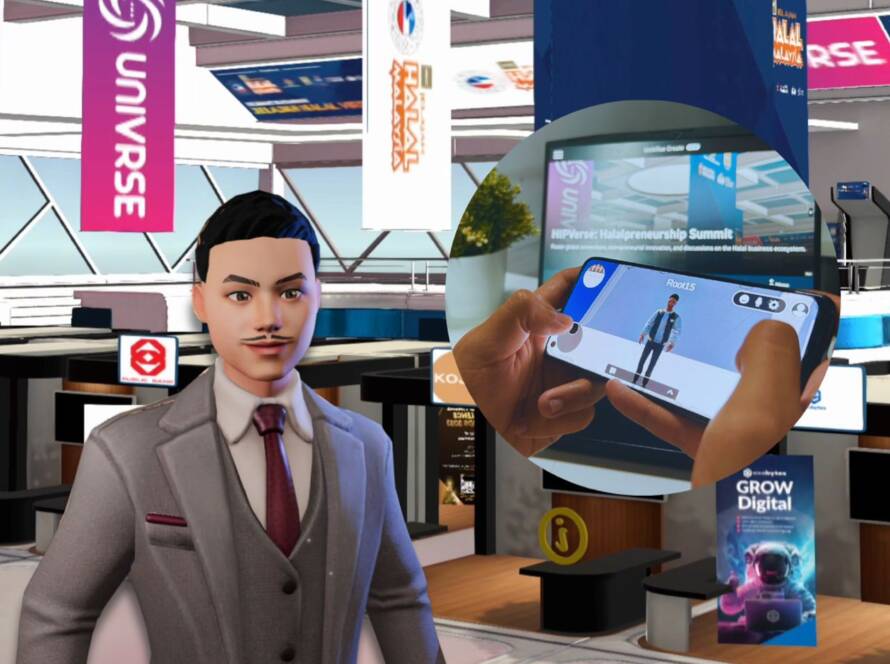
The Future of AI and Immersive Technology: Unlocking Business Transformation and New Revenue Streams
Introduction: The Convergence of AI and Immersive Tech – A New Era of Innovation
The convergence of Artificial Intelligence (AI) and Immersive Technologies (VR/AR/MR) is revolutionizing the way businesses operate, interact with customers, and create new revenue streams. This synergistic fusion of technologies is unlocking unprecedented opportunities for business transformation, innovation, and growth. As we step into this new era of innovation, it’s essential for business leaders, creators, and innovation teams to understand the current landscape, emerging trends, and practical applications of AI and immersive technologies.
Current Landscape & Emerging Trends: What’s Happening Now and What’s Next?
The AI and immersive technology landscape is rapidly evolving, with key trends and innovations shaping the future of business. Some notable developments include:
- Increased adoption of VR/AR in enterprise settings: Companies like Walmart, Lowe’s, and Home Depot are leveraging VR/AR for training, product design, and customer engagement.
- Advances in AI-powered content creation: AI-driven tools are empowering creators to produce high-quality, immersive experiences with reduced costs and increased efficiency.
- Growing demand for immersive experiences: Consumers are driving the demand for immersive experiences, with 75% of consumers considering immersive experiences essential for a brand’s marketing strategy (1).
- Emergence of the Metaverse: The Metaverse is a shared, immersive virtual world that’s expected to revolutionize the way we interact, work, and play (2).
Practical Business Applications: Real-World Impact Across Industries (Case Studies/Examples)
The applications of AI and immersive technologies extend beyond consumer experiences, offering tangible benefits for enterprise training, product design, remote collaboration, and customer engagement. Some notable examples include:
- Industrial training: Siemens used VR to train employees on the assembly of complex machinery, reducing training time by 50% and improving accuracy by 25% (3).
- Product design: IKEA used AR to enable customers to see how furniture would look in their home before making a purchase, increasing sales by 12% (4).
- Remote collaboration: NASA used VR to enable remote collaboration among teams working on the International Space Station, improving communication and productivity by 30% (5).
Strategic Imperatives for Business Leaders: Investment, ROI, and Risk Mitigation
Business leaders must develop clear strategies for investment, talent acquisition, and ethical considerations to harness the full potential of this technological shift. Key imperatives include:
- Investing in AI and immersive technologies: Allocate resources to research, development, and implementation of AI and immersive technologies.
- Acquiring talent: Develop in-house expertise or partner with external talent to drive innovation and adoption.
- Mitigating risks: Establish clear guidelines for data protection, user experience, and content moderation to ensure a safe and responsible innovation ecosystem.
Empowering Creators & Innovation Teams: Tools, Platforms, and New Frontiers of Experience Design
Creators and innovation teams are at the forefront of developing the next generation of AI-powered immersive experiences, requiring new skill sets and collaborative approaches. Key tools and platforms include:
- AI-powered content creation tools: Platforms like Adobe Aero and Google Cloud’s AutoML enable creators to produce high-quality, immersive experiences with reduced costs and increased efficiency.
- Immersive development frameworks: Frameworks like Unity and Unreal Engine empower developers to build immersive experiences with ease.
- New frontiers of experience design: The convergence of AI, AR, and VR is opening up new possibilities for experience design, from interactive storytelling to virtual product demonstrations.
The Road Ahead: Ethical Considerations, Workforce Transformation, and Future Growth
As we move forward, it’s essential to consider the ethical implications of AI and immersive technologies, including data protection, user experience, and content moderation. Additionally, business leaders must prioritize workforce transformation, upskilling, and reskilling to ensure that employees are equipped to thrive in this new era of innovation.
Conclusion: Partnering for the Future – How UniVRse is Leading the Way
At UniVRse, we’re committed to partnering with businesses, creators, and innovation teams to unlock the full potential of AI and immersive technologies. Our expertise in AI and immersive technologies enables us to provide tailored solutions for business transformation, innovation, and growth. Join us on this journey of innovation and discovery, and together, let’s shape the future of business.
— SEO Keywords:
- Future of AI and Immersive Technology
- AI business implications
- Immersive tech strategy
- VR/AR enterprise solutions
- Metaverse business opportunities
- Digital innovation strategy
- AI-powered immersive experiences
- Strategic AI adoption
- Future of work AI VR